

In today’s global marketplace, having a multilingual website is crucial for ecommerce businesses to reach a wider audience and expand their customer base. However, creating a multilingual website is just the first step. To ensure maximum visibility and success, it is essential to optimize your seo for ecommerce website for search engines in multiple languages. This article will guide you through the process of implementing effective SEO strategies for multilingual websites, helping you increase organic traffic, improve search engine rankings, and drive more conversions.
Table of Contents
- Understanding Multilingual SEO
- Conducting Keyword Research
- Implementing Proper URL Structure
- Creating Unique and High-Quality Content
- Translating Metadata and Tags
- Using Hreflang Tags
- Leveraging Localized Backlinks
- Optimizing Page Load Speed
- Mobile-Friendly Design
- Tracking and Analytics
- Conclusion
- FAQs
- 1. Is it necessary to translate the entire website for multilingual SEO?
- 2. Can I use automated translation tools for multilingual website content?
- 3. How long does it take to see results from multilingual SEO?
- 4. Should I create separate domains for each language version of my website?
- 5. How do I ensure consistency across different language versions of my website?
In this digital era, the internet has provided businesses with immense opportunities to expand globally. Multilingual websites enable seo for ecommerce website businesses to cater to diverse markets and connect with international customers effectively. However, to succeed in foreign markets, it is essential to understand and implement proper SEO techniques for multilingual websites.
Understanding Multilingual SEO
Multilingual SEO involves optimizing a website to rank well in multiple languages, ensuring that each version of the website is easily discoverable by search engines. It requires careful planning and execution to overcome language barriers and cultural differences. Multilingual SEO involves various elements, including keyword research, URL structure, content creation, metadata translation, hreflang tags, backlink building, page load speed, mobile-friendly design, and tracking and analytics.
Conducting Keyword Research
Keyword research is the foundation of any SEO strategy, including multilingual SEO. Start by identifying keywords and phrases that are relevant to your products or services in each target language. Consider cultural nuances and language preferences of your target audience. Utilize keyword research tools and competitor analysis to identify high-value keywords with reasonable search volumes and low competition. Incorporate these keywords strategically throughout your website to improve its visibility in search engine results.
Implementing Proper URL Structure
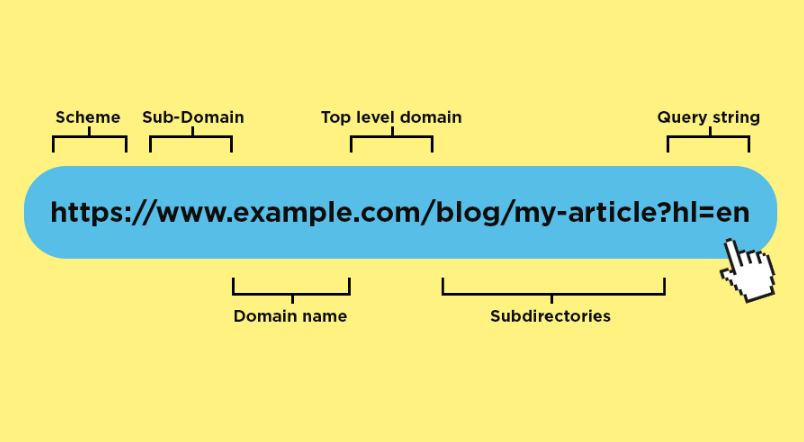
A well-structured URL is crucial for both user experience and search engine optimization. When creating a multilingual website, it is important to use language-specific URLs that indicate the language version of each page. For example, use “example.com/en/” for English, “example.com/es/” for Spanish, and so on. This helps search engines understand the language targeting of each page and deliver the appropriate version to users in search results.
Creating Unique and High-Quality Content
Content is king when it comes to SEO, and the same applies to multilingual websites. Create unique and high-quality content for each language version of your website. Avoid automatic translation tools as they often produce inaccurate or unnatural-sounding translations. Instead, hire professional translators or native speakers to ensure the highest quality translations that resonate with the target audience. Localize the content to suit cultural preferences and provide valuable information to users.
Translating Metadata and Tags
Apart from translating the main content, it is crucial to translate metadata and tags to optimize your multilingual website fully. This includes meta titles, meta descriptions, image alt tags, and header tags. Each translated version should accurately reflect the targeted keywords and provide concise and compelling descriptions that entice users to click through to your website.
Using Hreflang Tags
Hreflang tags are essential for indicating the language and geographic targeting of your web pages. Hreflang tags help search engines understand the relationship between different language versions of your website and display the appropriate version to users based on their language preferences and location. Implement hreflang tags in the HTML code of your web pages to ensure proper indexing and ranking of each language version.
Leveraging Localized Backlinks
Backlinks play a crucial role in SEO, and the same applies to multilingual websites. Building localized backlinks from reputable websites in each target language can significantly boost your search engine rankings and improve the visibility of your multilingual website. Reach out to relevant websites, bloggers, and influencers in your target markets to establish partnerships and acquire quality backlinks that enhance your online presence.
Optimizing Page Load Speed
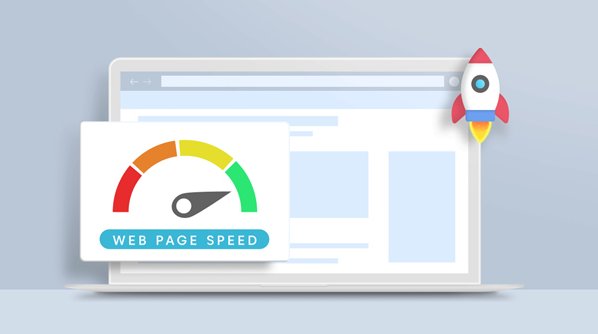
Page load speed is a critical factor in user experience and SEO. Slow-loading websites not only discourage users but also negatively impact search engine rankings. Optimize your multilingual website by compressing images, minifying CSS and JavaScript files, leveraging browser caching, and using content delivery networks (CDNs). This ensures that your web pages load quickly across different languages and geographical locations, providing a seamless user experience.
Mobile-Friendly Design
With the increasing use of mobile devices for online browsing, having a mobile-friendly website is crucial for SEO and user engagement. Ensure that your multilingual website is responsive and adapts seamlessly to different screen sizes and resolutions. Optimize images, use readable fonts, and simplify navigation to enhance the mobile user experience. Google’s mobile-first indexing prioritizes mobile-friendly websites in search results, making it essential to prioritize mobile optimization for multilingual sites.
Tracking and Analytics
To measure the success of your multilingual SEO efforts, it is important to implement tracking and analytics tools. Utilize platforms like Google Analytics to monitor website traffic, user behavior, conversion rates, and other key metrics. Set up separate views for each language version to analyze performance individually and identify areas for improvement. Regularly review and analyze the data to make informed decisions and refine your multilingual effective SEO strategies.
Conclusion
In today’s globalized marketplace ecommerce businesses must embrace multilingual SEO to effectively reach international customers. By following the outlined effective SEO strategies for multilingual website optimization, you can improve search engine rankings, increase organic traffic, and drive more conversions. Remember to conduct thorough keyword research, implement proper URL structures, create unique and high-quality content, leverage hreflang tags, build localized backlinks, optimize page load speed and mobile-friendliness, track and analyze performance, and continuously refine your SEO efforts.
FAQs
1. Is it necessary to translate the entire website for multilingual SEO?
While translating the entire website is ideal, you can prioritize translation based on your target markets and the popularity of specific pages. Start with translating key landing pages and gradually expand to other sections of your website.
2. Can I use automated translation tools for multilingual website content?
Automated translation tools may offer convenience, but they often produce inaccurate translations that can harm your SEO efforts. It’s best to hire professional translators or native speakers to ensure high-quality and culturally appropriate translations.
3. How long does it take to see results from multilingual SEO?
The timeline for seeing results from multilingual SEO can vary depending on various factors, including the competitiveness of your target keywords and the quality of your optimization efforts. It’s important to be patient and consistently implement SEO strategies. Generally, it can take several months to see significant improvements in search engine rankings and organic traffic.
4. Should I create separate domains for each language version of my website?
Creating separate domains for each language version is one approach, but it can be more complex to manage and maintain. Alternatively, using subdirectories (e.g., example.com/en/) or subdomains (e.g., en.example.com) can also be effective SEO strategies. Choose a structure that aligns with your resources and business goals.
5. How do I ensure consistency across different language versions of my website?
Consistency is key in multilingual SEO. Establish clear guidelines for translations, ensuring that branding, messaging, and user experience remain consistent across all language versions. Work closely with translators or localization professionals to maintain a unified and cohesive online presence.